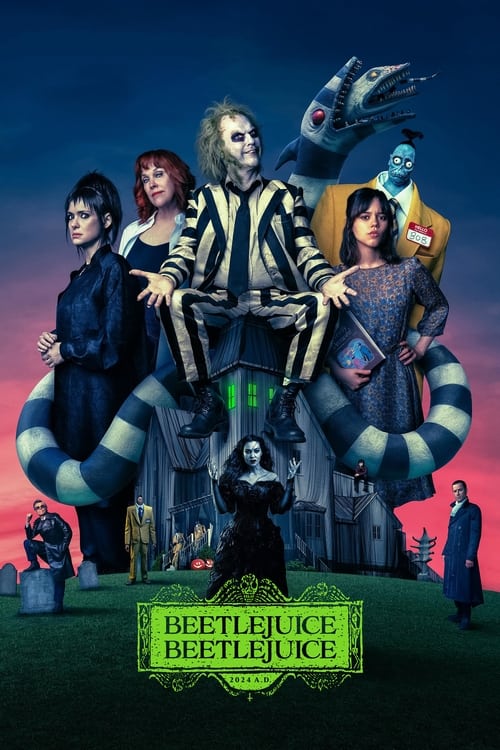
Beetlejuice Beetlejuice
2024 · Directed by Tim Burton
Woke Score
Critic Score
Audience
Based
Critics rated this 55 points above its woke score. Among Based films, this critic score ranks #128 of 304.
Representation Casting
Score: 35/100
The cast includes actors of diverse backgrounds including Jenna Ortega and Monica Bellucci, though diversity is presented as organic to the world rather than a subject for commentary.
LGBTQ+ Themes
Score: 0/100
No evidence of LGBTQ+ themes, representation, or storylines in the film.
Feminist Agenda
Score: 40/100
The film centers on three generations of women in the Deetz family, exploring mother-daughter dynamics and female agency, though without explicit didactic messaging about feminism.
Racial Consciousness
Score: 5/100
While the cast is racially diverse, the film shows no evidence of engaging with racial consciousness or commentary as a thematic element.
Climate Crusade
Score: 0/100
No evidence of climate change themes or environmental advocacy in the film.
Eat the Rich
Score: 0/100
No anti-capitalist or 'eat the rich' themes present in this sequel.
Body Positivity
Score: 0/100
No body positivity messaging or representation evident in the film.
Neurodivergence
Score: 0/100
No representation of or engagement with neurodivergent characters or themes.
Revisionist History
Score: 0/100
Not applicable to a contemporary sequel; no historical revisionism present.
Lecture Energy
Score: 15/100
The film prioritizes gothic comedy and entertainment over didactic messaging, maintaining a relatively light touch with any progressive sensibilities.


Synopsis
After a family tragedy, three generations of the Deetz family return home to Winter River. Still haunted by Betelgeuse, Lydia's life is turned upside down when her teenage daughter, Astrid, accidentally opens the portal to the Afterlife.
Consciousness Assessment
Tim Burton's sequel arrives as a curious case study in contemporary entertainment that incorporates progressive sensibilities without shouting about them. The film centers on a multigenerational female family structure, with Winona Ryder reprising her role as Lydia Deetz opposite newcomer Jenna Ortega as her teenage daughter Astrid. The cast includes actors of various backgrounds, most notably Monica Bellucci and Ortega herself, though the film treats this diversity as simply the world it inhabits rather than a subject for celebration or commentary. Where the original 1988 film was a product of its era, this sequel reflects the visual and social landscape of 2024 without feeling compelled to lecture about it.
The film's modest progressive elements emerge organically from its narrative rather than being imposed upon it. The exploration of mother-daughter dynamics and female agency within a family structure reads as contemporary without becoming didactic. Ortega, known for her advocacy around feminist themes, brings that sensibility to her performance, yet the movie itself remains primarily committed to being a gothic comedy rather than a vehicle for progressive messaging. One might characterize this as restraint, though that would assume the filmmakers ever intended otherwise.
What prevents a higher score is the film's fundamental indifference to the markers of contemporary progressive consciousness. There is no evidence of LGBTQ+ representation, climate advocacy, anti-capitalist themes, or any engagement with neurodivergence or body positivity. The film simply exists as a commercial entertainment product that happens to reflect the demographic and aesthetic sensibilities of its release date. This is not necessarily criticism. It merely means that Beetlejuice Beetlejuice operates in a different register entirely from films that actively pursue social consciousness as narrative content.
Analysis generated by our Consciousness Algorithm
Critic Reviews
“The zippy pacing, buoyant energy and steady stream of laugh-out-loud moments hint at the joy Burton appears to have found in revisiting this world, and for anyone who loved the first movie, it's contagious. That applies also to the actors, all of whom warm to the dizzying lunacy.”
“Perhaps most miraculously, it represents Tim Burton getting his groove back, successfully returning to the dark comedy and outrageous visuals that marked his extraordinary early work.”
“Directed by Burton and written by Alfred Gough and Miles Millar, the fantastical comedy is a hilariously strange and charismatic voyage through Hollywood's best creative minds and most skilled special effects magicians.”
“Tim Burton's belated sequel to 1988's weird, wild, and hilariously macabre Beetlejuice abounds in morbid, nauseating delights.”
“Burton has thrown everything at the wall and then carefully sculpted what has slithered down into a rollicking yet disciplined supernatural caper with a heart.”
“Burton has just allowed himself to be silly and have fun; Beetlejuice Beetlejuice is filled with low-stakes wisecracks and kindergarten-style one-liners, but the effect works. The movie carries you along on its wriggling magic carpet of mayhem—and features one sequence of creepy-elegant-funny cracked poetry that's classic, old-school Burton.”
Consciousness Markers
The cast includes actors of diverse backgrounds including Jenna Ortega and Monica Bellucci, though diversity is presented as organic to the world rather than a subject for commentary.
No evidence of LGBTQ+ themes, representation, or storylines in the film.
The film centers on three generations of women in the Deetz family, exploring mother-daughter dynamics and female agency, though without explicit didactic messaging about feminism.
While the cast is racially diverse, the film shows no evidence of engaging with racial consciousness or commentary as a thematic element.
No evidence of climate change themes or environmental advocacy in the film.
No anti-capitalist or 'eat the rich' themes present in this sequel.
No body positivity messaging or representation evident in the film.
No representation of or engagement with neurodivergent characters or themes.
Not applicable to a contemporary sequel; no historical revisionism present.
The film prioritizes gothic comedy and entertainment over didactic messaging, maintaining a relatively light touch with any progressive sensibilities.