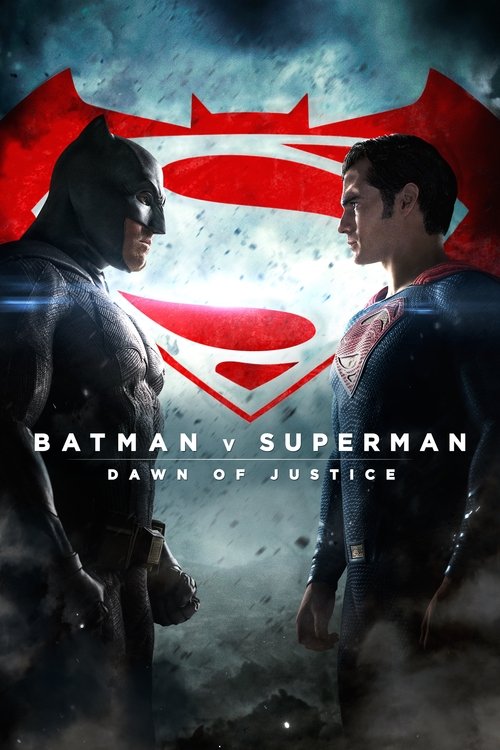
Batman v Superman: Dawn of Justice
2016 · Directed by Zack Snyder
Woke Score
CriticCritic Score
Audience
Ultra Based
Critics rated this 29 points above its woke score. Among Ultra Based films, this critic score ranks #1279 of 1469.
Representation Casting
Score: 28/100
The cast includes actors of various backgrounds, but character roles remain limited. Gal Gadot and Laurence Fishburne provide some diversity, though their characters lack significant development or agency within the narrative structure.
LGBTQ+ Themes
Score: 0/100
No LGBTQ+ themes, characters, or representation are present in the film. The narrative operates entirely within heteronormative frameworks with no engagement with queer identity or relationships.
Feminist Agenda
Score: 18/100
The film features female characters, but they lack agency and are defined primarily through their relationships to male protagonists. Wonder Woman's appearance serves plot function rather than thematic purpose, and Lois Lane remains reactive throughout.
Racial Consciousness
Score: 15/100
While cast members of color are present, the narrative contains no substantive exploration of racial themes, systemic racism, or racial identity. Characters of color occupy supporting roles without meaningful development.
Climate Crusade
Score: 0/100
Climate change and environmental concerns receive no attention whatsoever in the film. The narrative focuses entirely on superhero conflict with no engagement with ecological themes.
Eat the Rich
Score: 12/100
Though the film features billionaire protagonists and hints at corporate malfeasance through Lex Luthor, it presents no meaningful critique of capitalism or wealth inequality. Power disparities remain abstract rather than systemic.
Body Positivity
Score: 8/100
The film emphasizes idealized, hypermasculine and hyperfeminine physiques throughout. There is minimal diversity in body types and an emphasis on conventional attractiveness standards.
Neurodivergence
Score: 0/100
No meaningful representation of neurodivergence is present. Jesse Eisenberg's portrayal of Lex Luthor relies on erratic behavior without substantive engagement with mental health or neurodivergent identity.
Revisionist History
Score: 0/100
The film contains no historical revisionism or alternative historical frameworks. It operates entirely within a contemporary superhero universe with no engagement with historical narratives.
Lecture Energy
Score: 25/100
While the film contains philosophical dialogue about power and responsibility, it lacks explicit preachy messaging or moral lecturing. Snyder's approach is oblique rather than instructional, prioritizing visual spectacle over thematic clarity.


Synopsis
Fearing the actions of a god-like Super Hero left unchecked, Gotham City's own formidable, forceful vigilante takes on Metropolis's most revered, modern-day savior, while the world wrestles with what sort of hero it really needs. And with Batman and Superman at war with one another, a new threat quickly arises, putting mankind in greater danger than it's ever known before.
Consciousness Assessment
Batman v Superman arrives as a grimdark meditation on power and accountability, filtered through the lens of a director whose sensibilities appear at odds with contemporary social consciousness. Zack Snyder's 2016 entry into the DC Extended Universe presents a world where moral ambiguity reigns supreme, yet the film's engagement with progressive themes remains largely superficial. The introduction of Wonder Woman serves primarily as a plot convenience, arriving to resolve a conflict between two male heroes without meaningful character development or thematic integration.
The film's treatment of gender is particularly instructive in its limitations. Amy Adams' Lois Lane functions as a reactive supporting player rather than an active agent in her own narrative, while Gal Gadot's Wonder Woman, though visually striking, arrives in the third act as a deus ex machina with minimal screen time or character arc. The ensemble cast, though diverse in composition, operates within a narrative framework that privileges the brooding introspection of its two male leads. There is no meaningful examination of systemic power, wealth disparity, or institutional critique, only the personal philosophical wrestling of billionaires and demigods.
Snyder's vision prioritizes aesthetic nihilism over substantive engagement with the social questions it ostensibly raises. Superman's destructive actions are treated as an abstract moral problem rather than as a comment on institutional accountability or corporate malfeasance. The film remains, at its core, a spectacle of masculine conflict resolved through violence, wrapped in the language of philosophical debate but untethered from genuine social analysis.
Analysis generated by our Consciousness Algorithm
Critic Reviews
“BvS will please those either waiting for the two main players to lock horns on a movie screen, or those who've just been pining for Wonder Woman forever. And for the nerdier crowds, a fleeting glimpse at other superheroes hints this is the Dawn of something potentially sensational.”
“Better than Man of Steel but below the high bar set by Nolan's Dark Knight, Dawn of Justice is still a colossus, the stuff that DC Comics dreams are made of for that kid in all of us who yearns to see Batman and Superman suit up and go in for the kill.”
“When it sings, “Dawn of Justice” is a wonder. When it drags, it still looks good and offers hints of a better scene just around the corner.”
“To put it delicately, this comics fan hated Batman v Superman with the fury of a thousand red-dwarf suns. Blunt, humorless, and baffling, it collides the brutish directorial stamp of its director (he of 300 and Watchmen fame) with the most shameless instincts of our latter-day superhero franchise bubble. ”
Consciousness Markers
The cast includes actors of various backgrounds, but character roles remain limited. Gal Gadot and Laurence Fishburne provide some diversity, though their characters lack significant development or agency within the narrative structure.
No LGBTQ+ themes, characters, or representation are present in the film. The narrative operates entirely within heteronormative frameworks with no engagement with queer identity or relationships.
The film features female characters, but they lack agency and are defined primarily through their relationships to male protagonists. Wonder Woman's appearance serves plot function rather than thematic purpose, and Lois Lane remains reactive throughout.
While cast members of color are present, the narrative contains no substantive exploration of racial themes, systemic racism, or racial identity. Characters of color occupy supporting roles without meaningful development.
Climate change and environmental concerns receive no attention whatsoever in the film. The narrative focuses entirely on superhero conflict with no engagement with ecological themes.
Though the film features billionaire protagonists and hints at corporate malfeasance through Lex Luthor, it presents no meaningful critique of capitalism or wealth inequality. Power disparities remain abstract rather than systemic.
The film emphasizes idealized, hypermasculine and hyperfeminine physiques throughout. There is minimal diversity in body types and an emphasis on conventional attractiveness standards.
No meaningful representation of neurodivergence is present. Jesse Eisenberg's portrayal of Lex Luthor relies on erratic behavior without substantive engagement with mental health or neurodivergent identity.
The film contains no historical revisionism or alternative historical frameworks. It operates entirely within a contemporary superhero universe with no engagement with historical narratives.
While the film contains philosophical dialogue about power and responsibility, it lacks explicit preachy messaging or moral lecturing. Snyder's approach is oblique rather than instructional, prioritizing visual spectacle over thematic clarity.