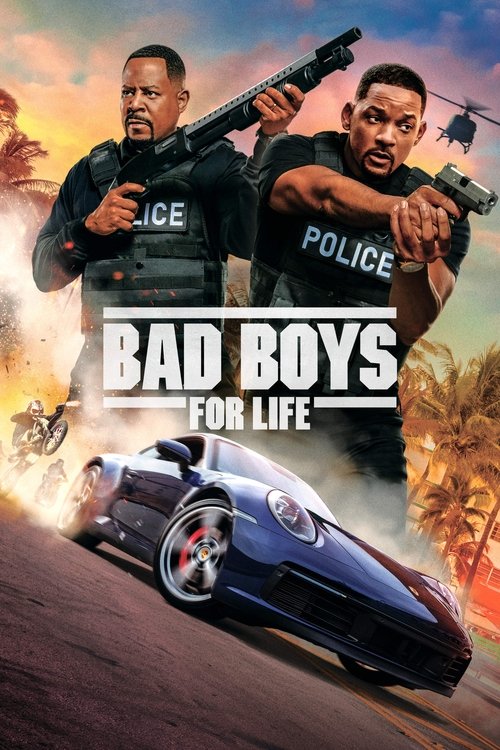
Bad Boys for Life
2020 · Directed by Adil El Arbi
Woke Score
CriticCritic Score
Audience
Based
Critics rated this 21 points above its woke score. Among Based films, this critic score ranks #247 of 345.
Representation Casting
Score: 68/100
The AMMO unit features intentional diversity with women and actors of color in positions of authority. Paola Nuñez and Kate del Castillo provide substantial Latina representation, though their characters serve primarily as supporting players to the male leads.
LGBTQ+ Themes
Score: 0/100
No LGBTQ+ representation or themes are present in the film. The narrative focuses entirely on heterosexual relationships and male camaraderie.
Feminist Agenda
Score: 35/100
Female characters occupy professional positions within law enforcement but function primarily in supporting roles. The narrative remains centered on male protagonists and their personal crises, with limited exploration of women's perspectives or agency.
Racial Consciousness
Score: 42/100
The film depicts Miami's racial and ethnic complexity through its diverse cast and Miami cartel setting, but avoids explicit racial commentary or systemic critique. Racial dimensions exist as backdrop rather than subject.
Climate Crusade
Score: 0/100
Climate change and environmental concerns are entirely absent from the narrative. The film contains no environmental consciousness or commentary.
Eat the Rich
Score: 25/100
While the film depicts drug trafficking as a criminal enterprise, it frames the conflict through law enforcement versus individual criminals rather than systemic economic analysis. No critique of broader capitalist structures is present.
Body Positivity
Score: 15/100
The film features aging male leads grappling with physical decline, which provides implicit commentary on aging bodies. However, this remains incidental rather than a deliberate body positivity statement, and conventional beauty standards dominate the supporting cast.
Neurodivergence
Score: 0/100
No representation of neurodivergent characters or conditions appears in the film. Neurodiversity is not addressed in any narrative or thematic capacity.
Revisionist History
Score: 10/100
The film makes no attempt to revisit or reframe historical events. It operates within contemporary settings without engaging in historical reinterpretation.
Lecture Energy
Score: 20/100
The film maintains the action-thriller genre's resistance to preachiness. Characters do not engage in extended moral or political lectures. Any social consciousness operates through casting and setting rather than dialogue.


Synopsis
Marcus and Mike are forced to confront new threats, career changes, and midlife crises as they join the newly created elite team AMMO of the Miami police department to take down the ruthless Armando Armas, the vicious leader of a Miami drug cartel.
Consciousness Assessment
Bad Boys for Life arrives as a franchise installment acutely conscious of its own aging, a sensibility that extends beyond the weathered faces of its aging protagonists to encompass a genuine attempt at demographic representation within the Miami police apparatus. The newly formed AMMO unit features a deliberately diverse ensemble that includes women and actors of color in positions of authority, a choice that distinguishes this third outing from its predecessors. Yet this representation functions primarily as set dressing for what remains fundamentally a buddy cop action vehicle, where the social consciousness exists in casting decisions rather than narrative substance. The film engages with Miami's demographics and the reality of drug cartels with a certain geographical authenticity, but the political dimensions are subordinate to the franchise's core imperative of spectacle and charisma.
The film's treatment of the Miami drug trade and police corruption carries mild consciousness of systemic issues, though it remains locked within the conventions of the action thriller. There are no lectures here, no extended meditations on the machinery of enforcement or the structural inequities that produce cartel violence. Instead, the narrative focuses on personal stakes and aging anxieties, which serve as the emotional core more effectively than any progressive posturing could. The presence of Paola Nuñez and Kate del Castillo, both Latina actresses in prominent supporting roles, registers as meaningful representation, though their characters exist primarily in service of the male leads' emotional arcs. Similarly, the film's diverse police unit could be read as a gentle statement about institutional inclusion, or simply as demographic realism for a Miami setting in 2020.
What distinguishes Bad Boys for Life from more aggressively engaged contemporary action films is its fundamental disinterest in using its setting as a platform for broader social critique. The film opts instead for personal redemption narratives and the pleasures of kinetic action. This restraint, whether intentional or incidental, places it in the moderate range of contemporary blockbuster social consciousness. The representation feels honest rather than performative, yet it also feels incidental to the film's actual concerns. We are watching a legacy franchise gently accommodate the demographics of the present moment without interrogating its own premises or the world it depicts.
Analysis generated by our Consciousness Algorithm
Critic Reviews
“It’s impressive and enjoyable to behold how easily Smith and Lawrence slide back into these characters and actually make them more accessible and fun to be around than before.”
“Not so much bad Bad Boys, more good Bad Boys. And not so-bad-it’s-good Bad Boys either. Instead, this is comfortably the best entry in the series to date. Which isn’t bad. ”
“In an exhausted, introspective, dad-jokey way, Bad Boys for Life gives these boys a definitive ending. It isn’t one fans ever expected, but it’s highly watchable.”
“The film may leave you wondering what purpose this franchise serves if not to give expression to Michael Bay's nationalist, racist, and misogynistic instincts.”
Consciousness Markers
The AMMO unit features intentional diversity with women and actors of color in positions of authority. Paola Nuñez and Kate del Castillo provide substantial Latina representation, though their characters serve primarily as supporting players to the male leads.
No LGBTQ+ representation or themes are present in the film. The narrative focuses entirely on heterosexual relationships and male camaraderie.
Female characters occupy professional positions within law enforcement but function primarily in supporting roles. The narrative remains centered on male protagonists and their personal crises, with limited exploration of women's perspectives or agency.
The film depicts Miami's racial and ethnic complexity through its diverse cast and Miami cartel setting, but avoids explicit racial commentary or systemic critique. Racial dimensions exist as backdrop rather than subject.
Climate change and environmental concerns are entirely absent from the narrative. The film contains no environmental consciousness or commentary.
While the film depicts drug trafficking as a criminal enterprise, it frames the conflict through law enforcement versus individual criminals rather than systemic economic analysis. No critique of broader capitalist structures is present.
The film features aging male leads grappling with physical decline, which provides implicit commentary on aging bodies. However, this remains incidental rather than a deliberate body positivity statement, and conventional beauty standards dominate the supporting cast.
No representation of neurodivergent characters or conditions appears in the film. Neurodiversity is not addressed in any narrative or thematic capacity.
The film makes no attempt to revisit or reframe historical events. It operates within contemporary settings without engaging in historical reinterpretation.
The film maintains the action-thriller genre's resistance to preachiness. Characters do not engage in extended moral or political lectures. Any social consciousness operates through casting and setting rather than dialogue.