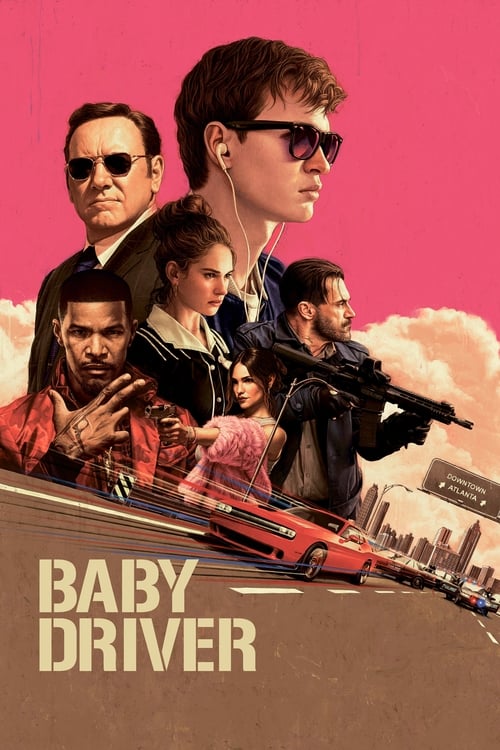
Baby Driver
2017 · Directed by Edgar Wright
Woke Score
CriticCritic Score
Audience
Ultra Based
Critics rated this 82 points above its woke score. Among Ultra Based films, this critic score ranks #213 of 1469.
Representation Casting
Score: 35/100
The cast includes performers of color (Eiza González, Jamie Foxx, Flea) and deaf actor CJ Jones, but they are integrated into a crime narrative without intentional representation or conscious casting choices. Their presence is functional rather than thematic.
LGBTQ+ Themes
Score: 0/100
No LGBTQ+ themes, characters, or representation in the film. The romantic plot centers entirely on a heterosexual couple.
Feminist Agenda
Score: 5/100
Lily James plays a supporting love interest whose agency is limited; the film is centered on the male protagonist's redemption through romance. No feminist critique or consciousness is evident.
Racial Consciousness
Score: 0/100
The film contains no engagement with race, racial systems, or racial identity. Diverse characters exist in the narrative without any thematic exploration of these dimensions.
Climate Crusade
Score: 0/100
No environmental themes, climate consciousness, or ecological concerns are present in this urban crime heist narrative.
Eat the Rich
Score: 0/100
The film presents crime as a personal trap and moral problem rather than a systemic critique. There is no examination of wealth inequality, capitalism, or economic structures.
Body Positivity
Score: 0/100
No body positivity themes or representation. The film operates within conventional Hollywood physical aesthetics without commentary on bodies or diversity of form.
Neurodivergence
Score: 10/100
Baby's tinnitus and hearing loss are plot elements, and CJ Jones as a deaf actor appears as Baby's foster father, but the film treats these conditions as background trauma rather than exploring neurodivergence with any intentional consciousness.
Revisionist History
Score: 0/100
This is a contemporary crime fiction narrative with no historical content or revisionist engagement with any historical events or narratives.
Lecture Energy
Score: 0/100
The film maintains a commitment to entertainment and style; it makes no attempt to educate or preach about social issues. There is no moralizing beyond basic narrative ethics.


Synopsis
After being coerced into working for a crime boss, a young getaway driver finds himself taking part in a heist doomed to fail.
Consciousness Assessment
Baby Driver is a film so thoroughly preoccupied with its own stylistic mechanics that it scarcely bothers with the messy business of meaning. Edgar Wright constructs an elaborate musical-heist pastiche where every action beat syncs with the soundtrack, where form becomes the entire conversation. The cast, which includes performers of color and a deaf actor in CJ Jones, exists within this aesthetic apparatus as functional components rather than as subjects of any intentional representation. These are characters in a genre exercise, not a statement.
The film offers no critique of crime, capitalism, or the power structures that trap Baby in his servitude. There is no examination of the criminal underworld as a system or its victims. The narrative arc moves from coercion to escape purely as a personal redemption story centered on romantic love, the most traditional of narrative motors. Baby's relationship with his deaf foster father might have provided an opening for disability representation, but the film engages with this relationship only as background pathos, a trauma that explains Baby's devotion to music rather than as a meaningful exploration of neurodivergence or deafness.
The inclusion of Kevin Spacey in a prominent role adds a particularly bitter irony in retrospect, though the film itself contains no awareness of this. Baby Driver remains apolitical, a sleek machine designed to deliver visual and sonic pleasure. It is the work of a director operating in a register where social consciousness simply does not register as a consideration. The film's occasional moments of moral clarity, such as Baby's ultimate refusal to participate further in crime, stem from personal ethics rather than any systemic awareness. This is entertainment in its purest form, which is to say it is entertainment in its most empty form.
Analysis generated by our Consciousness Algorithm
Critic Reviews
“No Hollywood suit and no diehard fan could have had the foresight to picture something like this, namely because nobody but Wright had any idea what this was supposed to be. This is something that’s been brewing inside his head for over two decades, and that unquestionable dedication, confidence, and passion fuels each and every scene of Baby Driver.”
“The mechanisms at work in Baby Driver, while calibrated with hair’s-breadth precision, are nothing new. Here’s what is: the sheer glee with which the film prods around in its own clockwork to show you what spins what.”
“An awe-inspiring piece of filmmaking from Edgar Wright that plays out as a musical through the lens of an action thriller. Sweet, funny and utterly original — you won’t see a film like it this year.”
“As charming as Baby Driver strives to be, the appeal starts to curdle once Wright makes his fetishistic aims clear.”
Consciousness Markers
The cast includes performers of color (Eiza González, Jamie Foxx, Flea) and deaf actor CJ Jones, but they are integrated into a crime narrative without intentional representation or conscious casting choices. Their presence is functional rather than thematic.
No LGBTQ+ themes, characters, or representation in the film. The romantic plot centers entirely on a heterosexual couple.
Lily James plays a supporting love interest whose agency is limited; the film is centered on the male protagonist's redemption through romance. No feminist critique or consciousness is evident.
The film contains no engagement with race, racial systems, or racial identity. Diverse characters exist in the narrative without any thematic exploration of these dimensions.
No environmental themes, climate consciousness, or ecological concerns are present in this urban crime heist narrative.
The film presents crime as a personal trap and moral problem rather than a systemic critique. There is no examination of wealth inequality, capitalism, or economic structures.
No body positivity themes or representation. The film operates within conventional Hollywood physical aesthetics without commentary on bodies or diversity of form.
Baby's tinnitus and hearing loss are plot elements, and CJ Jones as a deaf actor appears as Baby's foster father, but the film treats these conditions as background trauma rather than exploring neurodivergence with any intentional consciousness.
This is a contemporary crime fiction narrative with no historical content or revisionist engagement with any historical events or narratives.
The film maintains a commitment to entertainment and style; it makes no attempt to educate or preach about social issues. There is no moralizing beyond basic narrative ethics.