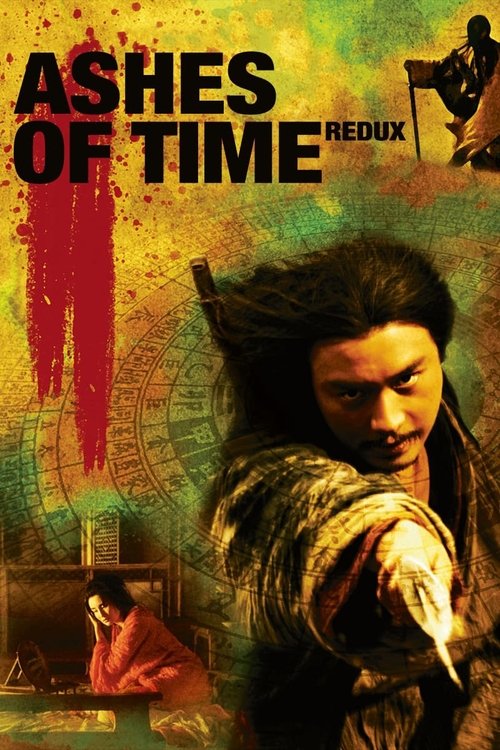
Ashes of Time
1994 · Directed by Wong Kar-Wai
Woke Score
CriticCritic Score
Ultra Based
Critics rated this 67 points above its woke score. Among Ultra Based films, this critic score ranks #601 of 1469.
Representation Casting
Score: 15/100
The ensemble features strong performances from both male and female actors in complex roles, but this reflects conventional Hong Kong cinema casting practices rather than conscious representation strategy. The cast composition shows professional talent selection without evidence of diversity-focused intentionality.
LGBTQ+ Themes
Score: 8/100
Brigitte Lin's cross-dressing role exists within the wuxia tradition and has attracted queer theoretical analysis retrospectively, but the film itself does not center or explicitly engage with LGBTQ+ themes or identity.
Feminist Agenda
Score: 5/100
Female characters are complex and central to the narrative, but the film does not operate from an explicitly feminist framework or agenda. Their complexity serves emotional and aesthetic purposes rather than conscious gender commentary.
Racial Consciousness
Score: 0/100
No evidence of racial consciousness or commentary. The film is set within a specifically Chinese wuxia tradition and features an all-Asian cast, but this reflects the genre's origin rather than any conscious approach to racial representation.
Climate Crusade
Score: 0/100
No climate themes or environmental consciousness present in the film. The desert setting is purely aesthetic and metaphorical.
Eat the Rich
Score: 0/100
No anti-capitalist messaging or critique of economic systems. The narrative concerns love and revenge rather than material critique.
Body Positivity
Score: 0/100
No body positivity messaging or representation. The film does not engage with this framework at all.
Neurodivergence
Score: 0/100
No representation of neurodivergence or any engagement with disability or neurodiversity themes.
Revisionist History
Score: 0/100
No revisionist historical narrative. The film exists outside historical time, in a mythic wuxia realm without grounding in actual historical events.
Lecture Energy
Score: 0/100
The film is deliberately oblique and impressionistic, actively resisting preachy or explanatory impulses. Its narrative style is anti-expository.
Synopsis
Ouyang Feng is a heartbroken and cynical man who spends his days in the desert, connecting expert swordsmen with those seeking revenge and willing to pay for it. Throughout five seasons in exile, Ouyang spins tales of his clients' unrequited loves and unusual acts of bravery.
Consciousness Assessment
Wong Kar-Wai's 1994 foray into wuxia territory is a film obsessed with the aesthetics of longing and the fragmentation of memory, concerns that place it squarely outside the frameworks of modern social consciousness. The narrative dissolves into impressionistic sequences of heartbreak and philosophical wandering, with the martial arts genre serving merely as a landscape for emotional archaeology. The film features complex female characters and a cross-dressing performance by Brigitte Lin that contemporary queer theory has mined for interpretive richness, yet these elements emerge from the story's emotional logic rather than any programmatic agenda.
What we encounter instead is pure formalism in service of romantic melancholy. Wong's signature visual language, with its saturated colors and temporal fragmentation, creates a world where character interiority matters infinitely more than social positioning. The ensemble cast, drawn from Hong Kong cinema's most accomplished performers, embodies characters defined by their capacity for suffering and their philosophical detachment from material concerns. None of this registers as particularly conscious of the identity categories that would come to preoccupy cinema two and a half decades later.
The film remains a genuine artistic achievement, the work of a director genuinely interested in how cinema might capture the ineffable quality of desire and regret. But its indifference to questions of representation, systemic critique, or social awareness is absolute and intentional. It is a film that looks inward rather than outward, that privileges mood over message, that treats every frame as a photograph in someone's memory rather than as an argument about the world.
Analysis generated by our Consciousness Algorithm
Critic Reviews
“Indeed, it seems that the closer contemporary Chinese cinema comes to contemplating China's future, the more filmmakers are preoccupied with rethinking and renegotiating troubled pockets in its past.”
“That elusive quality, however, is also part of its beauty, a film built on emotion more than narrative.”
“For Wong Kar-wai, action is color, and this film sees the director pushing the boundaries of a template that can hardly contain his style.”
“Wong Kar-wai's redux, with a few slight changes from his 1994 classic, is a feast for the eyes, if a little difficult to follow.”
Consciousness Markers
The ensemble features strong performances from both male and female actors in complex roles, but this reflects conventional Hong Kong cinema casting practices rather than conscious representation strategy. The cast composition shows professional talent selection without evidence of diversity-focused intentionality.
Brigitte Lin's cross-dressing role exists within the wuxia tradition and has attracted queer theoretical analysis retrospectively, but the film itself does not center or explicitly engage with LGBTQ+ themes or identity.
Female characters are complex and central to the narrative, but the film does not operate from an explicitly feminist framework or agenda. Their complexity serves emotional and aesthetic purposes rather than conscious gender commentary.
No evidence of racial consciousness or commentary. The film is set within a specifically Chinese wuxia tradition and features an all-Asian cast, but this reflects the genre's origin rather than any conscious approach to racial representation.
No climate themes or environmental consciousness present in the film. The desert setting is purely aesthetic and metaphorical.
No anti-capitalist messaging or critique of economic systems. The narrative concerns love and revenge rather than material critique.
No body positivity messaging or representation. The film does not engage with this framework at all.
No representation of neurodivergence or any engagement with disability or neurodiversity themes.
No revisionist historical narrative. The film exists outside historical time, in a mythic wuxia realm without grounding in actual historical events.
The film is deliberately oblique and impressionistic, actively resisting preachy or explanatory impulses. Its narrative style is anti-expository.