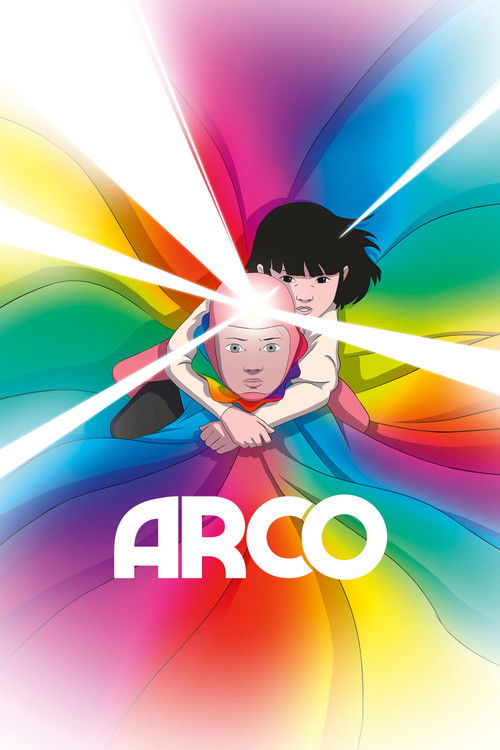
Arco
2025 · Directed by Ugo Bienvenu
Woke Score
CriticCritic Score
Audience
Based
Critics rated this 51 points above its woke score. Among Based films, this critic score ranks #129 of 345.
Representation Casting
Score: 25/100
The voice cast includes a diverse range of French actors, though diversity does not appear to be foregrounded as a thematic concern. Representation is present but not emphasized.
LGBTQ+ Themes
Score: 0/100
No evidence of LGBTQ+ themes, representation, or narrative elements in the film's plot or critical reception.
Feminist Agenda
Score: 15/100
Iris, one of the two protagonists, is a young girl positioned as an active rescuer and problem-solver. However, this reflects standard contemporary children's media practice rather than explicit feminist critique.
Racial Consciousness
Score: 0/100
No evidence of racial themes, historical racial consciousness, or explicit engagement with racial issues in the narrative or marketing materials.
Climate Crusade
Score: 35/100
The film's setting in a technological future and themes concerning humanity's role in a world of advanced machinery suggest environmental consciousness. Critical reception notes concerns about nature and humanity's responsibility, though this remains thematic rather than preachy.
Eat the Rich
Score: 20/100
The future world depicted appears to involve machines doing most work, which could imply critique of labor systems or technological displacement. However, this is not developed as explicit anti-capitalist messaging.
Body Positivity
Score: 0/100
No evidence of body positivity themes, diverse body representation, or commentary on physical appearance in the available information about the film.
Neurodivergence
Score: 0/100
No evidence of neurodivergent representation or themes related to cognitive diversity in the film.
Revisionist History
Score: 0/100
The film is set in a far future and does not engage with historical revision or reinterpretation of past events.
Lecture Energy
Score: 10/100
While the film contains thematic elements regarding technology and nature, it does not appear to prioritize explicit moral instruction or heavy-handed messaging over narrative and entertainment value.


Synopsis
10-year-old Arco lives in a far future. During his first flight in his rainbow suit, he loses control and falls into the past. Iris, a girl his age from 2075, comes to his rescue and tries by all means to help send him back to his era.
Consciousness Assessment
Arco presents itself as a wholesome family adventure about time travel and environmental stewardship, financed by Oscar winner Natalie Portman and positioned for awards consideration. The film's narrative centers on two young protagonists navigating a technologically advanced future, with thematic concerns about humanity's relationship with nature and machinery. The voice cast includes a diverse roster of French actors, though the film does not appear to foreground this diversity as a central concern.
The production company MountainA, founded in 2021, appears committed to animation as a medium for exploring contemporary themes, and Arco reflects a certain contemporary sensibility regarding ecological responsibility and technological critique. However, these themes are woven into a fundamentally traditional adventure narrative rather than serving as the primary vehicle for cultural commentary. The film's approach to social consciousness remains largely implicit and embedded within the framework of children's entertainment rather than explicit preachiness.
What emerges from critical reception is enthusiasm for the film's visual imagination and emotional resonance with families, suggesting that its cultural impact derives more from its artistic achievement than from any aggressive interrogation of modern social structures. The involvement of Natalie Portman as producer may signal certain progressive sensibilities in the production process, yet the film itself resists easy classification as a work of explicit contemporary cultural consciousness.
Analysis generated by our Consciousness Algorithm
Critic Reviews
“This is a time travel fable that feeds the heart as much as the brain, tipping its hat to sci-fi favorites as well as masters of animation from Walt Disney to Hayao Miyazaki. It’s an imaginative treat.”
“Thrilling because it puts the future in the hands of the young. “Arco” dares to imagine a fate for them, somewhere over the rainbow.”
“The sheer earnestness of director Ugo Bienvenu’s elegiac, even mournful tale feels as appealingly anachronistic as its lush 2D animation.”
“That mildness is characteristic of the film, which is colorful to look at but dull. The story is plodding, the characters are boring and earnest, and the supposed comic-relief act provided by the trio of stumblebums on Arco’s trail is a wince-inducing failure.”
Consciousness Markers
The voice cast includes a diverse range of French actors, though diversity does not appear to be foregrounded as a thematic concern. Representation is present but not emphasized.
No evidence of LGBTQ+ themes, representation, or narrative elements in the film's plot or critical reception.
Iris, one of the two protagonists, is a young girl positioned as an active rescuer and problem-solver. However, this reflects standard contemporary children's media practice rather than explicit feminist critique.
No evidence of racial themes, historical racial consciousness, or explicit engagement with racial issues in the narrative or marketing materials.
The film's setting in a technological future and themes concerning humanity's role in a world of advanced machinery suggest environmental consciousness. Critical reception notes concerns about nature and humanity's responsibility, though this remains thematic rather than preachy.
The future world depicted appears to involve machines doing most work, which could imply critique of labor systems or technological displacement. However, this is not developed as explicit anti-capitalist messaging.
No evidence of body positivity themes, diverse body representation, or commentary on physical appearance in the available information about the film.
No evidence of neurodivergent representation or themes related to cognitive diversity in the film.
The film is set in a far future and does not engage with historical revision or reinterpretation of past events.
While the film contains thematic elements regarding technology and nature, it does not appear to prioritize explicit moral instruction or heavy-handed messaging over narrative and entertainment value.