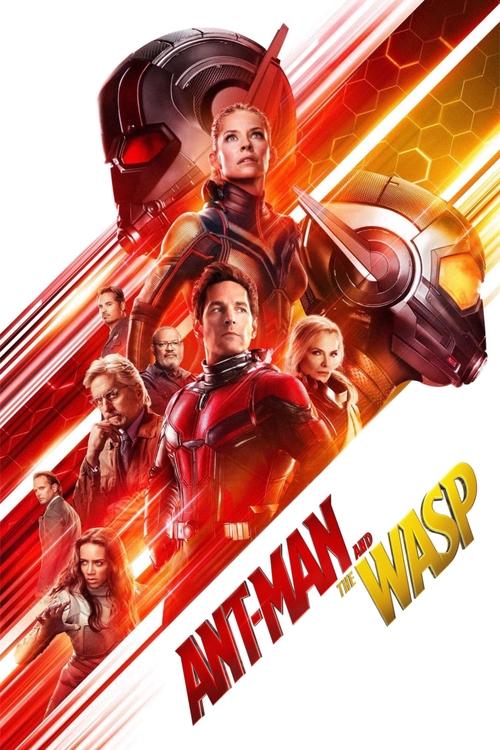
Ant-Man and the Wasp
2018 · Directed by Peyton Reed
Woke Score
CriticCritic Score
Audience
Woke-Adjacent
Critics rated this 22 points above its woke score. Among Woke-Adjacent films, this critic score ranks #83 of 151.
Representation Casting
Score: 65/100
Hope van Dyne is a co-lead superhero rather than sidekick, with Michelle Pfeiffer and Hannah John-Kamen in substantive roles. However, the cast remains predominantly white and lacks broader diversity.
LGBTQ+ Themes
Score: 0/100
No LGBTQ+ representation or thematic elements present in the film.
Feminist Agenda
Score: 70/100
The film explicitly centers a female superhero as co-protagonist with equal narrative weight to the male lead. Hope is portrayed as skilled, competent, and integral to the action and plot.
Racial Consciousness
Score: 20/100
Randall Park appears in a comedic supporting role, but the film contains no substantive exploration of racial themes or consciousness. Racial diversity is present but not examined.
Climate Crusade
Score: 0/100
No environmental or climate-related themes or messaging present.
Eat the Rich
Score: 15/100
Corporate espionage and Pym Technologies serve as plot devices rather than vehicles for thematic critique of capitalism or economic systems.
Body Positivity
Score: 0/100
No body positivity messaging, diverse body representation, or related themes present.
Neurodivergence
Score: 0/100
No representation or exploration of neurodivergence or related themes.
Revisionist History
Score: 0/100
Contemporary superhero film with no historical elements or revisionist historical claims.
Lecture Energy
Score: 25/100
Light-handed messaging about female empowerment and equality, present but not heavy-handed. The film gestures toward contemporary social consciousness without extensive preachy elements.


Synopsis
Just when his time under house arrest is about to end, Scott Lang once again puts his freedom at risk to help Hope van Dyne and Dr. Hank Pym dive into the quantum realm and try to accomplish, against time and any chance of success, a very dangerous rescue mission.
Consciousness Assessment
Ant-Man and the Wasp arrives as a carefully calibrated piece of franchise machinery, the kind of film that announces its progressive credentials while maintaining the safe, digestible tone Marvel has perfected. Hope van Dyne's elevation to co-lead status represents a deliberate corporate decision to address years of fan criticism regarding female representation in the MCU. The film does not pretend to be anything other than what it is: a summer action movie with a female superhero at the center, sharing narrative weight with her male counterpart. Evangeline Lilly's Wasp is competent, skilled, and drives significant portions of the plot, which in 2018 still qualified as noteworthy enough to merit critical commentary.
Yet the film's progressive posturing remains fundamentally limited in scope. Beyond centering a female lead, it engages with virtually no other markers of contemporary social consciousness. The supporting cast, while ethnically varied in appearance, exists primarily to serve the plot mechanics. The film contains no exploration of climate concerns, economic inequality, neurodivergence, or any of the other thematic territories that define modern progressive cinema. Even its feminist elements, while present and deliberate, operate at the level of representation rather than substantive narrative examination of gender dynamics or systemic power imbalances.
What emerges is a film caught between its commercial obligations and its cultural moment. It makes the correct performative gestures toward contemporary sensibilities without committing to the deeper thematic engagement that would elevate it beyond product placement for female empowerment. The quantum realm heists and family drama provide sufficient entertainment value, but the social consciousness remains skin-deep, applied like marketing copy rather than woven into the film's fundamental fabric. This is cinema as corporate equity initiative, which is to say it is cinema that acknowledges the conversation without particularly advancing it.
Analysis generated by our Consciousness Algorithm
Critic Reviews
“Ant-Man and the Wasp is a vast improvement on “Ant-Man” (2015) — and one of the most entertaining releases from Marvel Studios.”
“It’s fast, it’s funny, it’s superficial, it’s full of likable stars and scientific mumbo-jumbo, and, above all, it taps into the human urge to see big things become little and little things get big. It’s as close to lizard-brain entertainment as superhero blockbusters get, and as the mercury pushes toward 100, I’ll take it.”
“Boasting some of the most creative action scenes and finely-calibrated comedy in the Marvel universe so far, Ant-Man and The Wasp doesn’t reinvent the wheel, but it certainly knows how to make the ride even more fun.”
“Even Peña and an able supporting cast that boasts a bear-hugging Bobby Cannavale are hamstrung by a script where too many jokes fall flat.”
Consciousness Markers
Hope van Dyne is a co-lead superhero rather than sidekick, with Michelle Pfeiffer and Hannah John-Kamen in substantive roles. However, the cast remains predominantly white and lacks broader diversity.
No LGBTQ+ representation or thematic elements present in the film.
The film explicitly centers a female superhero as co-protagonist with equal narrative weight to the male lead. Hope is portrayed as skilled, competent, and integral to the action and plot.
Randall Park appears in a comedic supporting role, but the film contains no substantive exploration of racial themes or consciousness. Racial diversity is present but not examined.
No environmental or climate-related themes or messaging present.
Corporate espionage and Pym Technologies serve as plot devices rather than vehicles for thematic critique of capitalism or economic systems.
No body positivity messaging, diverse body representation, or related themes present.
No representation or exploration of neurodivergence or related themes.
Contemporary superhero film with no historical elements or revisionist historical claims.
Light-handed messaging about female empowerment and equality, present but not heavy-handed. The film gestures toward contemporary social consciousness without extensive preachy elements.