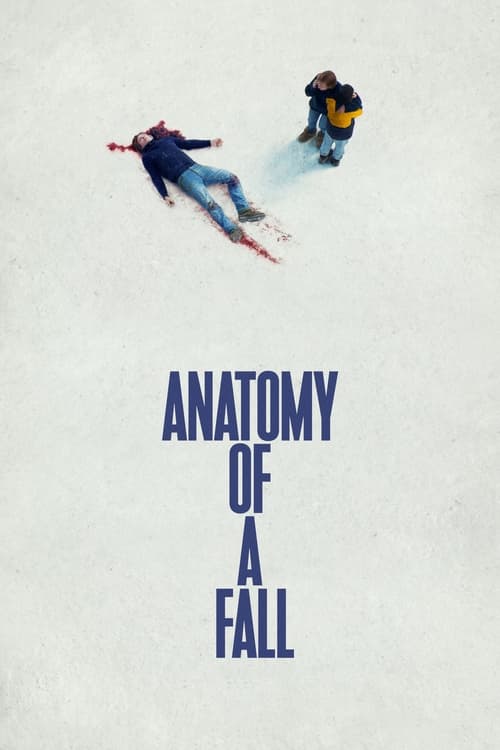
Anatomy of a Fall
2023 · Directed by Justine Triet
Woke Score
CriticCritic Score
Audience
Woke-Adjacent
Critics rated this 34 points above its woke score. Among Woke-Adjacent films, this critic score ranks #18 of 151.
Representation Casting
Score: 45/100
Sandra Hüller carries the film as the central protagonist and moral focus, with her female interiority and agency centered throughout. However, the supporting cast is mixed and the film does not emphasize demographic diversity as a thematic concern.
LGBTQ+ Themes
Score: 0/100
No LGBTQ+ themes or representation are evident in the film. The narrative concerns heterosexual marriage and its dissolution.
Feminist Agenda
Score: 68/100
The film examines how women's testimony is received, doubted, and contested in legal and social spaces. The central woman's credibility struggle and the portrayal of marital power dynamics contain clear feminist preoccupations about gendered judgment and institutional skepticism.
Racial Consciousness
Score: 0/100
The film is set in a predominantly white French context and does not engage with racial themes, representation, or consciousness as part of its narrative or thematic concerns.
Climate Crusade
Score: 0/100
No climate-related themes or environmental consciousness are present in this legal thriller centered on a domestic homicide case.
Eat the Rich
Score: 0/100
The film does not engage with capitalist critique or wealth inequality. Its concerns are personal, legal, and psychological rather than economic or structural.
Body Positivity
Score: 0/100
Body positivity and body-related consciousness play no role in this courtroom drama. The film is not concerned with physical appearance, disability representation, or bodily autonomy as thematic elements.
Neurodivergence
Score: 12/100
The son's partial blindness is a narrative element that complicates his status as witness and creates moral tension. However, the disability is not explored through a neurodivergent lens or with contemporary awareness of disability representation; it functions primarily as plot device.
Revisionist History
Score: 0/100
The film contains no historical revisionism. It is a contemporary legal drama with no relationship to historical narratives or reinterpretations of past events.
Lecture Energy
Score: 15/100
While the film engages with feminist themes, it does so through narrative and visual composition rather than explicit exposition or preachy dialogue. The restraint keeps lecture energy minimal, though the film's framing choices do carry interpretive weight about gender and credibility.


Synopsis
A woman is suspected of her husband's murder, and their blind son faces a moral dilemma as the sole witness.
Consciousness Assessment
Justine Triet's Palme d'Or winner presents itself as a measured examination of marital dissolution and legal ambiguity, yet its preoccupations align closely with contemporary progressive anxieties about gender, testimony, and institutional skepticism. The film's central dynamic inverts familiar courtroom drama conventions: we follow a woman (Sandra Hüller) fighting to establish innocence rather than guilt, and the narrative takes seriously the gendered dimensions of how her credibility is assessed by law and society. The camera lingers on her face during testimony, inviting us to read her as a sympathetic subject whose interiority matters. This is sophisticated enough to avoid preachiness, yet the film's structure consistently frames institutional doubt about women as a problem worth interrogating.
The blind son's disability is rendered as a narrative complication rather than inspirational metaphor, and his moral confusion about whether to protect his mother or serve truth adds texture without descending into special pleading. The film avoids explicit polemics, which grants it a certain artistic credibility, but the sympathetic framing of the accused woman and the skeptical portrayal of legal processes that discount her version of events belong to a recognizable contemporary sensibility. Triet's status as only the third woman to win the Palme d'Or, combined with her screenplay's focus on how women are heard and disbelieved, signals something of a cultural moment in art cinema, where gender-conscious storytelling has become a marker of prestige.
The film remains fundamentally a work of ambiguity and formal sophistication rather than advocacy. Its social consciousness markers are present but restrained, embedded in narrative choices rather than explicit messaging. We are meant to observe the mechanisms of gendered doubt rather than be instructed by them, which is precisely why it occupies a moderate position on this scale. It is a contemporary film by and about women that takes gender seriously without announcing its intentions.
Analysis generated by our Consciousness Algorithm
Critic Reviews
“Triet’s breathtakingly intelligent and subtly perverse masterpiece takes the long way through the cold and the snow to address, in nuanced but never ambiguous terms, the ineffable and irreducible mystery at the heart of deep relationships — between two partners, between parents and their children, between words and the world.”
“This whole film has a wizardry to it which you’ll be thinking about for days.”
“Part true crime legal thriller and part family drama, Triet's Palme d'Or winner is a thrilling story about perception, truth, and ambition.”
“As the cinematic equivalent of an airport read, Anatomy of a Fall is adequate—not brisk but twisty, not stylish but unobtrusively informational. But the artistic failings are obvious and distracting throughout. ”
Consciousness Markers
Sandra Hüller carries the film as the central protagonist and moral focus, with her female interiority and agency centered throughout. However, the supporting cast is mixed and the film does not emphasize demographic diversity as a thematic concern.
No LGBTQ+ themes or representation are evident in the film. The narrative concerns heterosexual marriage and its dissolution.
The film examines how women's testimony is received, doubted, and contested in legal and social spaces. The central woman's credibility struggle and the portrayal of marital power dynamics contain clear feminist preoccupations about gendered judgment and institutional skepticism.
The film is set in a predominantly white French context and does not engage with racial themes, representation, or consciousness as part of its narrative or thematic concerns.
No climate-related themes or environmental consciousness are present in this legal thriller centered on a domestic homicide case.
The film does not engage with capitalist critique or wealth inequality. Its concerns are personal, legal, and psychological rather than economic or structural.
Body positivity and body-related consciousness play no role in this courtroom drama. The film is not concerned with physical appearance, disability representation, or bodily autonomy as thematic elements.
The son's partial blindness is a narrative element that complicates his status as witness and creates moral tension. However, the disability is not explored through a neurodivergent lens or with contemporary awareness of disability representation; it functions primarily as plot device.
The film contains no historical revisionism. It is a contemporary legal drama with no relationship to historical narratives or reinterpretations of past events.
While the film engages with feminist themes, it does so through narrative and visual composition rather than explicit exposition or preachy dialogue. The restraint keeps lecture energy minimal, though the film's framing choices do carry interpretive weight about gender and credibility.