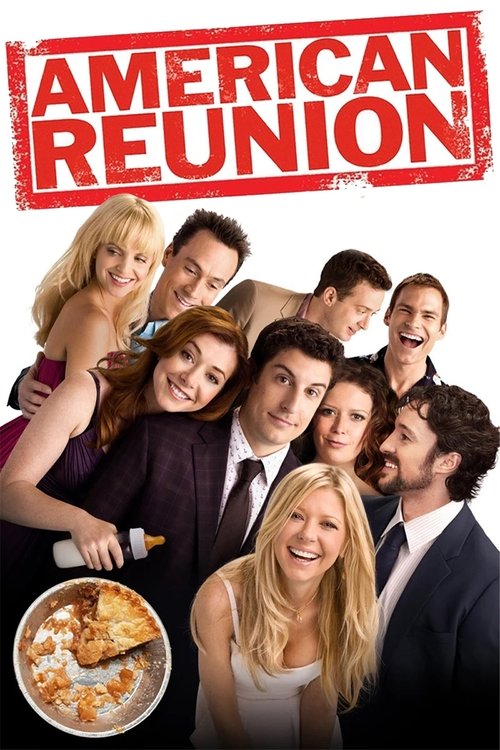
American Reunion
2012 · Directed by Jon Hurwitz
Woke Score
CriticCritic Score
Audience
Ultra Based
Critics rated this 45 points above its woke score. Among Ultra Based films, this critic score ranks #1182 of 1469.
Representation Casting
Score: 15/100
The cast includes John Cho and other ensemble members representing some diversity, but the film makes no narrative effort to highlight or explore this representation.
LGBTQ+ Themes
Score: 0/100
No LGBTQ+ characters, themes, or storylines are present in the film.
Feminist Agenda
Score: 5/100
Female characters are present but primarily exist within traditional romantic/sexual narrative frameworks without particular feminist consciousness or agenda.
Racial Consciousness
Score: 0/100
The film contains no exploration of racial themes, racial justice, or systemic racism.
Climate Crusade
Score: 0/100
There is no engagement with environmental themes or climate-related content.
Eat the Rich
Score: 0/100
The film does not critique capitalism, economic inequality, or class systems.
Body Positivity
Score: 0/100
There is no thematic engagement with body positivity or acceptance of diverse body types.
Neurodivergence
Score: 0/100
No characters coded as neurodivergent, no discussion of neurodiversity, or representation of mental health conditions.
Revisionist History
Score: 0/100
The film contains no revisionist historical narratives or reexamination of historical events.
Lecture Energy
Score: 5/100
While the film occasionally includes moments of reflection about aging and change, it does not have the preachy quality of films explicitly designed to educate or lecture the audience.


Synopsis
The characters we met a little more than a decade ago return to East Great Falls for their high school reunion. In one long-overdue weekend, they will discover what has changed, who hasn't, and that time and distance can't break the bonds of friendship.
Consciousness Assessment
American Reunion is a straightforward nostalgia vehicle that brings the original cast back together for a high school reunion comedy, and it exhibits virtually no engagement with contemporary progressive sensibilities. The film operates entirely within the comedic and romantic framework established by the original American Pie, focusing on the relationship dramas and sexual misadventures of its characters with no particular consciousness toward broader social themes. The presence of John Cho in the ensemble provides minimal representation diversity, though the film makes no particular effort to foreground or explore this casting choice meaningfully.
The narrative contains no meaningful exploration of systemic inequality, climate concerns, gender politics, or any other marker of modern social consciousness. The humor relies on familiar comedic tropes from the late 1990s and early 2000s, with a particular emphasis on sexual situations and romantic entanglements that feel substantially disconnected from contemporary cultural discourse. The film exists as a time capsule of early 2000s sensibilities, which is perhaps precisely what its target audience sought.
One observes that American Reunion makes no particular claim to progressive values, nor does it seem to actively resist them. It simply operates outside the frame entirely, a relic of an earlier comedic tradition that predates the cultural conversations that would eventually define 2020s progressivism. The film's modest diversity in casting appears incidental rather than intentional, a reflection of the ensemble structure inherited from the original series.
Analysis generated by our Consciousness Algorithm
Critic Reviews
“Of course, if you loathed the first film, this one probably won't do much to change your mind. But fans, and I count myself among them, of the Weitz brothers' unexpectedly enjoyable original will find themselves in a familiar and perhaps comforting place … filthy language, risqué situations, die-hard friendships, and all.”
“American Reunion is about the comedy of middle-class men who can't be satisfied with sex until it looks like porn.”
“American Reunion has a sense of deja vu, but it still delivers a lot of nice laughs.”
“Scenes will wander from gross-out gag to sentimental schmaltz to pervy leer to cheap nostalgia within a 30-second span, utterly free of clear directorial guidance. Even worse, very little of it is remotely funny. ”
Consciousness Markers
The cast includes John Cho and other ensemble members representing some diversity, but the film makes no narrative effort to highlight or explore this representation.
No LGBTQ+ characters, themes, or storylines are present in the film.
Female characters are present but primarily exist within traditional romantic/sexual narrative frameworks without particular feminist consciousness or agenda.
The film contains no exploration of racial themes, racial justice, or systemic racism.
There is no engagement with environmental themes or climate-related content.
The film does not critique capitalism, economic inequality, or class systems.
There is no thematic engagement with body positivity or acceptance of diverse body types.
No characters coded as neurodivergent, no discussion of neurodiversity, or representation of mental health conditions.
The film contains no revisionist historical narratives or reexamination of historical events.
While the film occasionally includes moments of reflection about aging and change, it does not have the preachy quality of films explicitly designed to educate or lecture the audience.