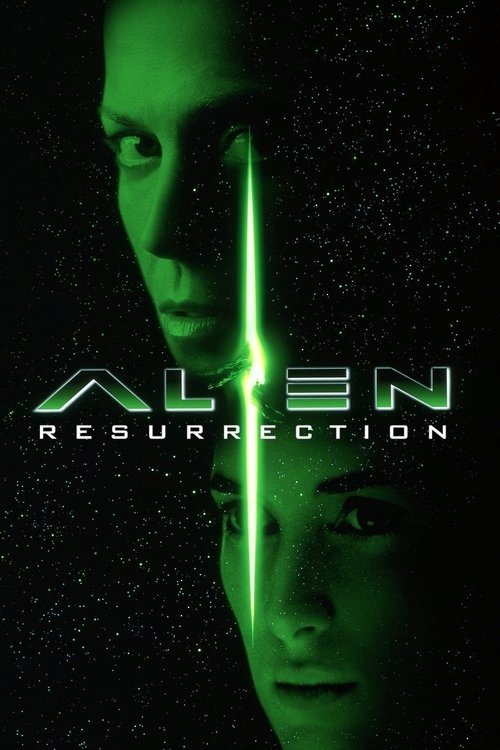
Alien Resurrection
1997 · Directed by Jean-Pierre Jeunet
Woke Score
CriticCritic Score
Audience
Ultra Based
Critics rated this 54 points above its woke score. Among Ultra Based films, this critic score ranks #851 of 1469.
Representation Casting
Score: 15/100
The cast includes actors of various ethnic backgrounds in supporting roles, but their presence appears incidental to the narrative rather than intentional diversity commitment. Sigourney Weaver's lead role continues her established character.
LGBTQ+ Themes
Score: 0/100
No LGBTQ+ representation or themes are present in the film.
Feminist Agenda
Score: 20/100
While Ripley is a capable female action protagonist, this represents franchise continuity rather than contemporary feminist positioning. The female characters are defined primarily by their survival roles.
Racial Consciousness
Score: 0/100
No racial consciousness or commentary on race appears in the film. Characters of color are present but function without acknowledgment of racial identity.
Climate Crusade
Score: 0/100
There is no climate advocacy or environmental messaging in the film.
Eat the Rich
Score: 10/100
The plot involves corporate malfeasance and weapons development, but these elements serve the action narrative rather than critique. No systemic anti-capitalist analysis emerges.
Body Positivity
Score: 0/100
The film's body horror elements are aesthetic choices for the science fiction premise, not commentary on body positivity or acceptance of physical difference.
Neurodivergence
Score: 0/100
No neurodivergent representation or themes are present in the film.
Revisionist History
Score: 0/100
The film does not engage with or revise historical narratives.
Lecture Energy
Score: 5/100
The film's dialogue occasionally explains plot mechanics and world-building, but this serves narrative clarity rather than preachy messaging.


Synopsis
Two hundred years after Lt. Ripley died, a group of scientists clone her, hoping to breed the ultimate weapon. But the new Ripley is full of surprises … as are the new aliens. Ripley must team with a band of smugglers to keep the creatures from reaching Earth.
Consciousness Assessment
Alien Resurrection arrives at the tail end of a decade when action cinema had already begun incorporating female protagonists as a matter of course, yet the film itself operates largely outside the frameworks of contemporary progressive consciousness. Sigourney Weaver's Ripley commands the narrative with physical authority and strategic cunning, but this represents a continuation of a character established in 1979 rather than a statement of 1990s feminist ambition. The supporting cast includes actors of various backgrounds, though their presence appears incidental to the survival narrative rather than intentional representation politics.
The film's aesthetic vocabulary belongs entirely to its director's maximalist sensibility. Jean-Pierre Jeunet's ornate visual design, grotesque imagery, and darkly comedic tone shape every frame, but these stylistic choices serve the science fiction premise rather than any social agenda. The body horror elements, particularly the violent hybridization of human and alien forms, function as visceral spectacle and conceptual threat rather than commentary on bodily autonomy or physical difference.
The narrative concerns itself with cloning, genetic engineering, and corporate malfeasance, yet these plot elements never crystallize into critique. The film exists as a creature feature and action spectacle, indifferent to the cultural consciousness that would later come to define progressive cinema. By contemporary standards, this indifference to social messaging reads as refreshing only in retrospect.
Analysis generated by our Consciousness Algorithm
Critic Reviews
“By rocketing ahead 200 years from the previous film and jiggering the story cleverly (with a script by Toy Story coscreenwriter Joss Whedon as late-'90s wiseacreish as Alien3 was early-'90s portentous) to create a Ripley reconstructed through a mix of human and alien DNA, Alien Resurrection power-kicks the whole definition of the Horrifying Other into a fresh, deep, exhilaratingly thoughtful, millennium-sensitive direction. [5 Dec 1997, p. 47]”
“Weaver obviously relishes playing this feral, sarcastic new Ripley, and her pleasure is infectious.”
“Recycles the great surprises that made the first movie so powerful. And most significantly, it makes a big hoot of the whole business.”
“It's a nine days' wonder, a geek show designed to win a weekend or two at the box office and then fade from memory.”
Consciousness Markers
The cast includes actors of various ethnic backgrounds in supporting roles, but their presence appears incidental to the narrative rather than intentional diversity commitment. Sigourney Weaver's lead role continues her established character.
No LGBTQ+ representation or themes are present in the film.
While Ripley is a capable female action protagonist, this represents franchise continuity rather than contemporary feminist positioning. The female characters are defined primarily by their survival roles.
No racial consciousness or commentary on race appears in the film. Characters of color are present but function without acknowledgment of racial identity.
There is no climate advocacy or environmental messaging in the film.
The plot involves corporate malfeasance and weapons development, but these elements serve the action narrative rather than critique. No systemic anti-capitalist analysis emerges.
The film's body horror elements are aesthetic choices for the science fiction premise, not commentary on body positivity or acceptance of physical difference.
No neurodivergent representation or themes are present in the film.
The film does not engage with or revise historical narratives.
The film's dialogue occasionally explains plot mechanics and world-building, but this serves narrative clarity rather than preachy messaging.