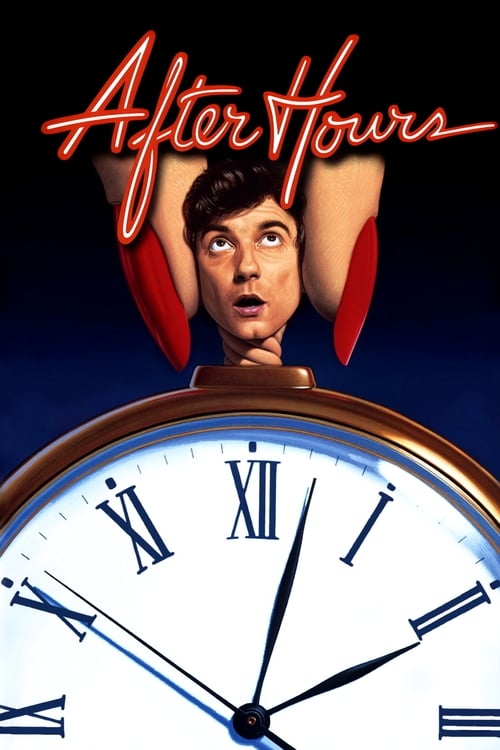
After Hours
1985 · Directed by Martin Scorsese
Woke Score
CriticCritic Score
Audience
Ultra Based
Critics rated this 85 points above its woke score. Among Ultra Based films, this critic score ranks #158 of 1469.
Representation Casting
Score: 15/100
The ensemble cast includes performers of color reflecting downtown NYC demographics, but this reflects naturalistic casting rather than conscious representation efforts.
LGBTQ+ Themes
Score: 0/100
No LGBTQ+ themes, characters, or representation present in the film.
Feminist Agenda
Score: 0/100
Female characters are depicted as obstacles, manipulative figures, or threats to the protagonist. The film's misogyny is fundamental to its structure.
Racial Consciousness
Score: 0/100
No exploration of racial themes or consciousness. Minority characters exist in the setting without thematic commentary.
Climate Crusade
Score: 0/100
No climate or environmental themes present.
Eat the Rich
Score: 10/100
Light satire of corporate office culture and Manhattan materialism, but this reflects 1985 social satire rather than contemporary anti-capitalist consciousness.
Body Positivity
Score: 0/100
No body positivity themes or representation present.
Neurodivergence
Score: 0/100
No representation or discussion of neurodivergence.
Revisionist History
Score: 0/100
No historical revision or reframing present.
Lecture Energy
Score: 0/100
The film operates as a darkly comedic nightmare with no preachy intent or moralizing impulse.


Synopsis
Desperate to escape his mind-numbing routine, uptown Manhattan office worker Paul Hackett ventures downtown for a hookup with a mystery woman.
Consciousness Assessment
Martin Scorsese's After Hours stands as a monument to the pre-woke era, a film so thoroughly marinated in 1980s sensibilities that it reads as a historical artifact of masculine anxiety. The narrative follows Paul Hackett's descent into a nightmarish downtown Manhattan, where nearly every female character exists as an impediment, a temptress, or a threat. Women are portrayed as unstable, manipulative, or outright dangerous, their agency deployed solely to complicate the protagonist's misadventure. This is not social consciousness speaking. This is the voice of paranoia.
The film's satire of corporate monotony and the uptown-downtown class divide carries the faint echo of social commentary, yet it remains rooted firmly in the 1985 moment. Scorsese crafts a Kafkaesque spiral of absurdity where Paul's suffering is the film's true subject, not any structural critique of capitalism or inequality. The supporting cast, drawn from the actual demographics of downtown New York, populates the landscape without thematic intention. They are set dressing for Paul's fever dream.
What emerges from After Hours is pure aesthetic exercise, a darkly comic nightmare with no progressive sensibilities whatsoever. The film has aged into something approaching unintentional commentary on the male gaze, but it was never designed as such. It remains exactly what it was in 1985: a director's exercise in control, paranoia, and the subordination of female characters to masculine neurosis. For the purposes of contemporary cultural analysis, it registers as essentially inert.
Analysis generated by our Consciousness Algorithm
Critic Reviews
“After Hours is a brilliant film that is so original, so particular, that we are uncertain from moment to moment exactly how to respond to it. The style of the film creates, in us, the same feeling that the events in the film create in the hero. Interesting.”
“A wickedly funny black comedy that follows the increasingly bizarre series of events that befall hapless word-processer Griffin Dunne after he ventures out of his apartment on the Upper East Side of Manhattan and goes downtown in search of carnal pleasures.”
“Martin Scorsese transforms a debilitating convention of 80s comedy--absurd underreaction to increasingly bizarre and threatening situations--into a rich, wincingly funny metaphysical farce. A lonely computer programmer is lured from the workday security of midtown Manhattan to an expressionistic late-night SoHo by the vague promise of casual sex with a mysterious blond.”
“After Hours is not, ultimately, a satisfying film, but it's often vigorously unsettling.”
Consciousness Markers
The ensemble cast includes performers of color reflecting downtown NYC demographics, but this reflects naturalistic casting rather than conscious representation efforts.
No LGBTQ+ themes, characters, or representation present in the film.
Female characters are depicted as obstacles, manipulative figures, or threats to the protagonist. The film's misogyny is fundamental to its structure.
No exploration of racial themes or consciousness. Minority characters exist in the setting without thematic commentary.
No climate or environmental themes present.
Light satire of corporate office culture and Manhattan materialism, but this reflects 1985 social satire rather than contemporary anti-capitalist consciousness.
No body positivity themes or representation present.
No representation or discussion of neurodivergence.
No historical revision or reframing present.
The film operates as a darkly comedic nightmare with no preachy intent or moralizing impulse.