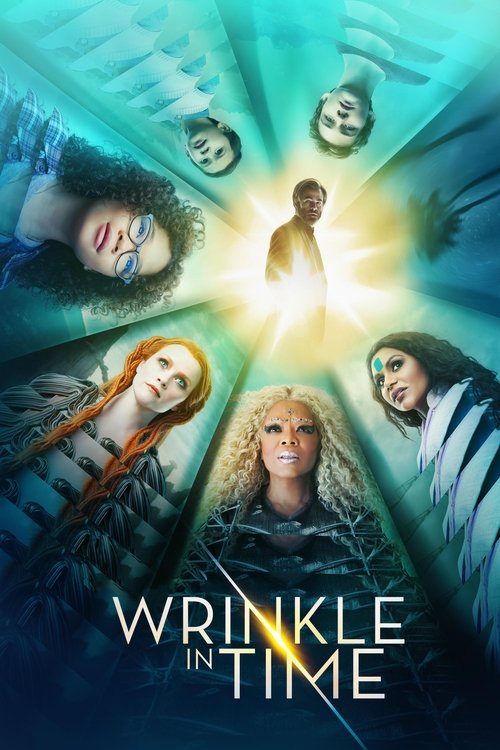
A Wrinkle in Time
2018 · Directed by Ava DuVernay
Woke Score
Critic Score
Audience
Woke
Critics rated this 9 points above its woke score. Among Woke films, this critic score ranks #46 of 57.
Representation Casting
Score: 85/100
The film features a predominantly diverse cast with Black and Asian performers in central roles, and was explicitly designed as a milestone for Black female representation in blockbuster filmmaking, directed by an African American woman.
LGBTQ+ Themes
Score: 0/100
No LGBTQ+ themes, characters, or representation are evident in the film's plot, characters, or narrative.
Feminist Agenda
Score: 75/100
The film centers a female protagonist who challenges gender norms and frames femininity as a source of strength. The narrative emphasizes female empowerment and self-acceptance, with the source material rooted in mid-century feminist consciousness.
Racial Consciousness
Score: 70/100
The film demonstrates explicit racial consciousness through its diverse casting choices and narrative framing of belonging across racial boundaries, though this operates primarily at the level of representation rather than critical examination.
Climate Crusade
Score: 0/100
There are no climate-related themes, environmental messaging, or climate activism present in the film's narrative.
Eat the Rich
Score: 0/100
The film contains no anti-capitalist messaging, critique of wealth, or themes about economic systems. The narrative focuses on family and cosmic adventure rather than economic structures.
Body Positivity
Score: 0/100
While the film may implicitly celebrate different body types through its casting, there is no explicit body positivity messaging or narrative engagement with body image issues.
Neurodivergence
Score: 0/100
There is no representation of neurodivergent characters or engagement with neurodiversity as a theme in the film.
Revisionist History
Score: 0/100
The film does not engage with historical revisionism or reinterpretation of historical events, being a science fantasy adventure without historical setting.
Lecture Energy
Score: 15/100
While the film maintains an earnest commitment to its progressive messaging through casting and thematic choices, it generally avoids heavy-handed didacticism, though the replacement of religious with contemporary cultural references carries some weight of intentional modernization.


Synopsis
After the disappearance of her scientist father, three peculiar beings send Meg, her brother, and her friend to space in order to find him.
Consciousness Assessment
A Wrinkle in Time arrives as a masterclass in what happens when progressive intentions collide with the unforgiving machinery of Hollywood blockbuster production. Directed by Ava DuVernay, it represents a genuine milestone: a $100 million science fantasy film centered on a Black female protagonist, staffed by women of color in positions of creative authority, and built entirely around the celebration of femininity as a source of power rather than limitation. The casting alone functions as a statement of deliberate cultural repositioning, with Oprah Winfrey, Reese Witherspoon, and Mindy Kaling occupying roles that demand visibility and agency.
The film's commitment to these representational goals is unmistakable and, in some respects, admirably unsubtle. Meg Murry stands outside the gender norms that might constrain a young female protagonist in a more conventional narrative. The replacement of religious references with contemporary cultural touchstones (most notably the substitution of rap artists for scriptural quotations) signals a calculated modernization aimed at cultural relevance. The framing of familial bonds across racial boundaries speaks to a vision of belonging untethered from biological determinism. Yet this earnestness of purpose cannot overcome the fundamental structural problems that critics identified: uneven pacing, underdeveloped characterization, and a narrative that collapses under the weight of its own visual excess.
What stands out is a film whose progressive sensibilities function somewhat independently from its narrative coherence. It is progressive cinema as statement rather than as storytelling, a distinction that matters considerably. The social consciousness on display here is genuine, the commitment to representation concrete, but the execution remains troubled enough that one must acknowledge the gap between cultural aspiration and cinematic achievement.
Analysis generated by our Consciousness Algorithm
Critic Reviews
“Ava DuVernay's beautiful and visually imaginative A Wrinkle In Time is a magical mystery tour for teenage girls. It's a female empowerment movie that says love triumphs over evil and light trumps darkness. It says that the many teenage girls who believe they're not good enough can find their strength and beauty, even through their flaws.”
“Director Ava DuVernay emphasises an emotional clarity and narrative simplicity that allows the book's sci-fi examination of friendship, family and forgiveness to resonate with almost mythic force.”
“By showing that self-worth and acceptance of one's faults are to be valued, DuVernay has shown how empowerment can come from changing your own outlook, and perhaps adults as well as kids will be able to take something positive from this movie.”
“This Wrinkle in Time is undoubtedly flawed, wildly uneven and apt to tie itself in narrative knots in a quest to wow you with sheer Technicolor weirdness. It's also undeniably DuVernay's movie as much as Disney's, and works best when she puts her feminine energy, high-flying freak flag and sense of empathy front and center.”
“Its message is of a young woman's empowerment, and of how love can save a family — and if the special effects sometimes overwhelm that message (such as a glorious field of flowers that takes flight in a colorful frenzy), it rings through loud and clear by the end.”
“This is Meg Murry's movie, and while DuVernay's visually stunning film may occasionally stumble, Reid does nothing less than soar.”
Consciousness Markers
The film features a predominantly diverse cast with Black and Asian performers in central roles, and was explicitly designed as a milestone for Black female representation in blockbuster filmmaking, directed by an African American woman.
No LGBTQ+ themes, characters, or representation are evident in the film's plot, characters, or narrative.
The film centers a female protagonist who challenges gender norms and frames femininity as a source of strength. The narrative emphasizes female empowerment and self-acceptance, with the source material rooted in mid-century feminist consciousness.
The film demonstrates explicit racial consciousness through its diverse casting choices and narrative framing of belonging across racial boundaries, though this operates primarily at the level of representation rather than critical examination.
There are no climate-related themes, environmental messaging, or climate activism present in the film's narrative.
The film contains no anti-capitalist messaging, critique of wealth, or themes about economic systems. The narrative focuses on family and cosmic adventure rather than economic structures.
While the film may implicitly celebrate different body types through its casting, there is no explicit body positivity messaging or narrative engagement with body image issues.
There is no representation of neurodivergent characters or engagement with neurodiversity as a theme in the film.
The film does not engage with historical revisionism or reinterpretation of historical events, being a science fantasy adventure without historical setting.
While the film maintains an earnest commitment to its progressive messaging through casting and thematic choices, it generally avoids heavy-handed didacticism, though the replacement of religious with contemporary cultural references carries some weight of intentional modernization.