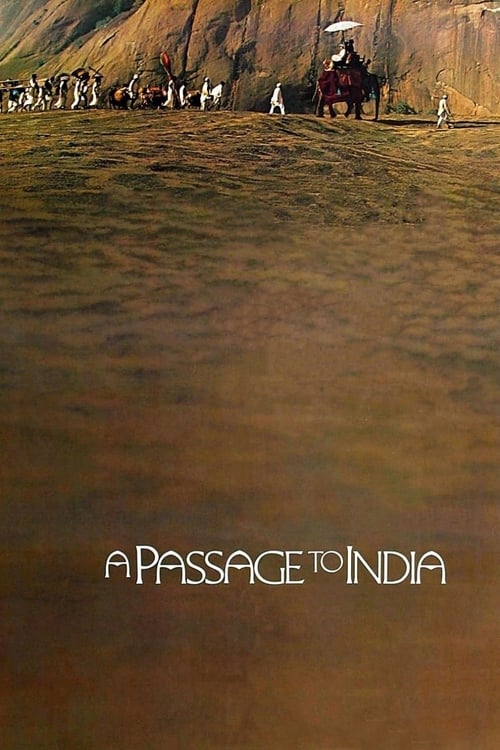
A Passage to India
1984 · Directed by David Lean
Woke Score
CriticCritic Score
Audience
Ultra Based
Critics rated this 74 points above its woke score. Among Ultra Based films, this critic score ranks #428 of 1469.
Representation Casting
Score: 15/100
Victor Banerjee leads as an Indian protagonist, but the representation is conventional casting for 1984, not conscious diversity work. The film presents Indian characters within a colonial framework rather than centering their perspective.
LGBTQ+ Themes
Score: 0/100
No LGBTQ+ themes or characters are present in the film.
Feminist Agenda
Score: 5/100
Judy Davis and Peggy Ashcroft are prominent female characters, but their roles reflect 1980s conventions. The film does not engage with feminist themes or critique patriarchal structures.
Racial Consciousness
Score: 12/100
The film depicts racial and cultural tensions between British colonists and Indians, but through a literary adaptation lens rather than modern racial justice consciousness. It explores misunderstanding rather than systemic racism.
Climate Crusade
Score: 0/100
No climate-related themes or content appears in the film.
Eat the Rich
Score: 0/100
The film contains no anti-capitalist critique or themes related to economic systems.
Body Positivity
Score: 0/100
No body positivity messaging or themes are present in the film.
Neurodivergence
Score: 0/100
No representation of neurodivergence or related themes appears in the film.
Revisionist History
Score: 0/100
The film adapts a literary source material but does not engage in historical revisionism in the contemporary sense.
Lecture Energy
Score: 0/100
The film does not exhibit preachy or preachy messaging characteristic of contemporary social consciousness cinema.


Synopsis
Cultural mistrust and false accusations doom a friendship in British colonial India between an Indian doctor, an Englishwoman engaged to marry a city magistrate, and an English educator.
Consciousness Assessment
David Lean's final film is a dutiful adaptation of E.M. Forster's novel, concerned with the tragic breakdown of connection across colonial boundaries. The film takes its subject matter seriously, depicting the prejudices and misunderstandings that poison relationships between the British and Indian characters. Yet it approaches these themes with the sensibility of 1984, not contemporary consciousness. Victor Banerjee carries the emotional weight as Dr. Aziz, a sympathetic Indian doctor whose friendship with an elderly British woman and a young Englishwoman is destroyed by accusations and cultural paranoia. The film is fundamentally a tragedy of miscommunication, not a work of social awakening.
What becomes apparent through the narrative is that the film's interest lies in exploring universal human failings rather than systemic critique. The British characters are not presented as exemplars of empire but as flawed individuals caught in colonial circumstances. Peggy Ashcroft's performance as the elderly Mrs. Moore suggests a transcendent spiritual understanding that transcends cultural divides, a theme more aligned with Forster's humanism than with any modern progressive consciousness. The cinematography and production values reflect Lean's mastery, but the ideological framework remains rooted in late-Cold War cinema.
The film earned seven Academy Award nominations and won two, including Best Supporting Actress for Ashcroft. Its cultural work was to bring a beloved modernist novel to the screen with fidelity and craft. It does not interrogate its own colonial perspective or offer contemporary social commentary. It is simply a well-made period drama about the impossibility of genuine connection under the weight of cultural suspicion and institutional power.
Analysis generated by our Consciousness Algorithm
Critic Reviews
“Forster's novel is one of the literary landmarks of this century, and now David Lean has made it into one of the greatest screen adaptations I have ever seen.”
“While it isn't as brilliant as his The Bridge On The River Kwai or Lawrence Of Arabia, Lean's final film is just as meticulously designed, because more than any other filmmaker of his era, he understood how the right hat could say as much about a character —and a society—as any line of dialogue.”
“An impeccably faithful, beautifully played and occasionally languorous adaptation of E.M. Forster's classic novel about the clash of East and West in colonial India.”
“David Lean's studied, plodding, overanalytic direction manages to kill most of the meaning in E.M. Forster's haunting novel of cultural collision in colonial India.”
Consciousness Markers
Victor Banerjee leads as an Indian protagonist, but the representation is conventional casting for 1984, not conscious diversity work. The film presents Indian characters within a colonial framework rather than centering their perspective.
No LGBTQ+ themes or characters are present in the film.
Judy Davis and Peggy Ashcroft are prominent female characters, but their roles reflect 1980s conventions. The film does not engage with feminist themes or critique patriarchal structures.
The film depicts racial and cultural tensions between British colonists and Indians, but through a literary adaptation lens rather than modern racial justice consciousness. It explores misunderstanding rather than systemic racism.
No climate-related themes or content appears in the film.
The film contains no anti-capitalist critique or themes related to economic systems.
No body positivity messaging or themes are present in the film.
No representation of neurodivergence or related themes appears in the film.
The film adapts a literary source material but does not engage in historical revisionism in the contemporary sense.
The film does not exhibit preachy or preachy messaging characteristic of contemporary social consciousness cinema.