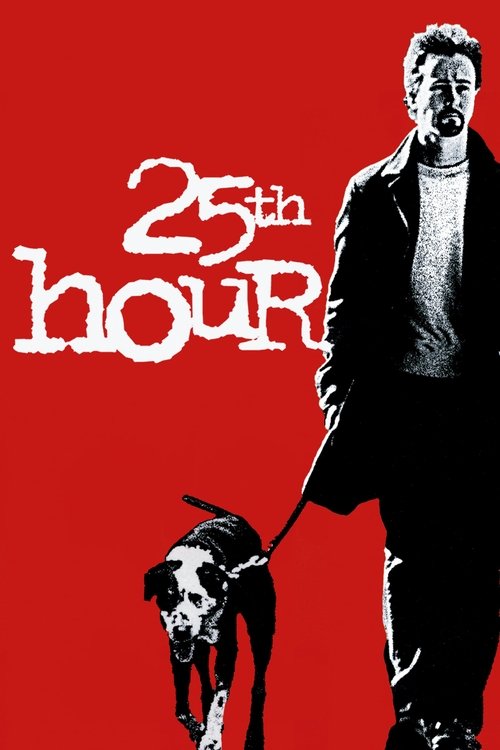
25th Hour
2002 · Directed by Spike Lee
Woke Score
CriticCritic Score
Audience
Ultra Based
Critics rated this 51 points above its woke score. Among Ultra Based films, this critic score ranks #649 of 1469.
Representation Casting
Score: 20/100
Supporting cast includes performers of color such as Rosario Dawson and Isiah Whitlock Jr., but the narrative centers on a white protagonist and does not foreground diversity as a thematic concern.
LGBTQ+ Themes
Score: 0/100
No LGBTQ+ themes, characters, or content present in the film.
Feminist Agenda
Score: 15/100
Rosario Dawson plays a significant character, but the film's gender dynamics and narrative structure remain male-centered and do not advance feminist perspectives.
Racial Consciousness
Score: 25/100
Spike Lee's involvement suggests racial awareness, and the film engages subtly with questions of race and whiteness in America, though this remains an artistic undercurrent rather than explicit thematic focus.
Climate Crusade
Score: 0/100
No environmental or climate-related themes present in the film.
Eat the Rich
Score: 15/100
The film critiques crime and moral corruption but does not engage with systemic capitalism critique or present this as a systemic rather than personal failing.
Body Positivity
Score: 0/100
No body positivity themes or representation present in the film.
Neurodivergence
Score: 0/100
No representation of neurodivergent characters or themes in the film.
Revisionist History
Score: 0/100
While the film engages with post-9/11 trauma and New York's historical moment, it does not rewrite or revise historical events.
Lecture Energy
Score: 10/100
The film is introspective and contemplative, prioritizing character psychology and moral ambiguity over explicit social messaging or preachy instruction.


Synopsis
On the eve of a seven-year prison sentence, a New York drug dealer spends his final day of freedom confronting his past, his relationships, and the choices that led to his downfall in a city still reeling from 9/11.
Consciousness Assessment
Spike Lee's "25th Hour" presents a curious case study in the archaeology of progressive filmmaking, a work that predates the current cultural moment by a comfortable margin and thus largely escapes its gravitational pull. The film concerns itself with the moral reckoning of Montgomery Brogan, a white drug dealer facing incarceration, and uses the post-9/11 devastation of New York as a backdrop for personal rather than systemic examination. Lee's directorial control is evident, particularly in his integration of the city's trauma into the visual and sonic fabric of the narrative. The cast includes performers of color in meaningful roles, yet the film does not center their experiences or foreground questions of representation that would later become cultural preoccupations.
The absence of contemporary progressive markers is striking. There are no LGBTQ+ themes, no climate consciousness, no explicit feminist agenda. The film's racial dimension operates at a level of artistic subtlety rather than thematic insistence. Lee explores the idea of whiteness and vulnerability in an American context, but does so through the lens of a personal tragedy rather than as a platform for social instruction. The narrative momentum derives from character psychology and moral ambiguity, not from the delivery of cultural lessons. This restraint, whether intentional or circumstantial, places the film outside the framework of what contemporary audiences might recognize as socially conscious cinema.
What emerges from this analysis is a film that succeeds on its own terms: as a penetrating character study and a meditation on loss set against a specific historical moment. It simply does not concern itself with the markers of modern progressive sensibility that have become central to cultural discourse. For a work directed by one of cinema's most socially engaged filmmakers, "25th Hour" maintains a deliberate distance from preachiness, preferring to examine the interior lives of its characters rather than to catalogue their demographic identities or to lecture about systemic inequities.
Analysis generated by our Consciousness Algorithm
Critic Reviews
“The result is a film of sadness and power, the first great 21st century movie about a 21st century subject.”
“25th Hour struck me as one of the best movies of 2002, but it's also a film that will strike some of its audience as ethically dubious or threatening.”
“One of Spike Lee's greatest films -- seamlessly merging personal drama against a canvas of larger social significance on a level worthy of "Do the Right Thing."”
“Spike Lee's films have been provocative, blunt, thoughtful, misguided, daring, sentimental, funny, honest and silly. But 25th Hour earns the director two new adjectives: irrelevant and tedious.”
Consciousness Markers
Supporting cast includes performers of color such as Rosario Dawson and Isiah Whitlock Jr., but the narrative centers on a white protagonist and does not foreground diversity as a thematic concern.
No LGBTQ+ themes, characters, or content present in the film.
Rosario Dawson plays a significant character, but the film's gender dynamics and narrative structure remain male-centered and do not advance feminist perspectives.
Spike Lee's involvement suggests racial awareness, and the film engages subtly with questions of race and whiteness in America, though this remains an artistic undercurrent rather than explicit thematic focus.
No environmental or climate-related themes present in the film.
The film critiques crime and moral corruption but does not engage with systemic capitalism critique or present this as a systemic rather than personal failing.
No body positivity themes or representation present in the film.
No representation of neurodivergent characters or themes in the film.
While the film engages with post-9/11 trauma and New York's historical moment, it does not rewrite or revise historical events.
The film is introspective and contemplative, prioritizing character psychology and moral ambiguity over explicit social messaging or preachy instruction.